


Page 152 - 《水产学报》2026年第01期
P. 152
1 期                                     水    产    学    报                                 50 卷
                    1                                          都发生了如变黑、发臭、DO              下降和    H S  累积等

                               温度                                                                 2
                                  DO                               [11-13]
                             pH                                情况     。在单一的梭子蟹养殖系统中,梭子蟹
                                                               是消费者,而底质微生物是分解者,是底质各种
                                                    时间/d
                                                     time 0    营养素分解和回收的关键参与者,也是养殖系统
                  RDA2 (25.49%)               NH 4 -N  7 14    CNPS  生物地球化学循环的重要驱动者             [42-45] 。因此,
                    0
                                             −
                                          NO 2 -N
                                                NH 3
                                                               底质的表型和理化指标变化应该与底质微生物密
                                                +
                                                       21
                                                               切相关。
                                                       28
                                             H 2 S
                   −1
                                           −
                                        NO 3 -N
                                                                   底质细菌群落的高通量测序结果发现,底质
                                                               细菌群落结构在梭子蟹养殖过程中发生了显著变
                                                               化,类似的结果也发生在草鱼               (Ctenopharyngodon
                      −1.5  −1.0  −0.5  0   0.5                idella) 养殖的底质中    [46] 。在本研究中,底质细菌
                              RDA1 (31.79%)

                                                               群落的   α-多样性在底质恶化过程中呈现先上升后
                   图 4    冗余分析  (RDA) 显示底质理化因子对
                                                               下降的变化趋势,这可能是有机物                 (主要是饲料)
                          底质细菌群落变化的影响
                                                               的投入为底质细菌提供了丰富的营养,促进了细
               Fig. 4 Redundancy analysis (RDA) shows the impact of
                                                               菌的大量繁殖,16S rRNA        基因拷贝数的先上升后
                    physicochemical factors on the changes in
                                                               下降变化佐证了上述推测。细菌的繁殖推动了底
                         sediment bacterial community
                                                               质细菌群落的种群演替,导致细菌群落的                    α-多样
               3    讨论                                         性和  β-多样性产生特征性改变。这种变化可能是
                                                               多种环境因子协同作用的结果。在群落组成上,
                   在养殖系统中,底质是底栖动物赖以生存的                         梭子蟹养殖底质细菌群落的初始最优势菌群为                      γ-
              环境基质,然而底质恶化将直接影响着动物的健                            变形菌纲。γ-变形菌纲细菌能够在底质的厌氧条
              康和存活。在本研究中,28 d             的梭子蟹养殖导致             件下进行光合作用,同化            CO ,并将硫化物氧化
                                                                                         2
              了底质恶化,这与养殖鱼虾的底质恶化情况相似,                           为单质硫    [47] 。随着底质恶化的进行,γ-变形菌纲

                                固氮作用    nitrogen fixation                  nifH
                         好氧氨氧化    aerobic ammonia oxidation                amoB
                                                                           nxrA
                       好氧亚硝酸盐氧化    aerobic nitrite oxidation
                                                                           narG
                                   硝化作用    nitrification
                                                                           nirK1
                               硝酸盐还原    nitrate reduction                  nirK2
                               硝酸盐呼吸    nitrate respiration                nirK3                    丰度  abundance  (z-score)
                                氮呼吸    nitrogen respiration                nirS1
                                                                           nirS2
                              硫暗氧化    dark sulfur oxidation                                           2
                                                                           nirS3
                      硫代硫酸盐暗氧化    dark thiosulfate oxidation                                          1
                                                                           nosZ1
                          亚硫酸盐暗氧化    dark sulfite oxidation                nosZ2                      0
                  硫化合物暗氧化    dark oxidation of sulfur compounds            napA                       −1
                                  硫呼吸    sulfur respiration                gdhA                       −2
                          硫代硫酸盐呼吸    thiosulfate respiration               dsrA
                                                                           dsrB
                             亚硫酸盐呼吸    sulfite respiration
                                                                           aprA
                              硫酸盐呼吸    sulfate respiration
                                                                           aprB
                     硫化合物呼吸    respiration of sulfur compounds          16S rRNA
                                                   0  7   14  21  28            0   7   14  21  28
                                                         时间/d                         时间/d
                                                         time                          time
                                                          (a)                           (b)
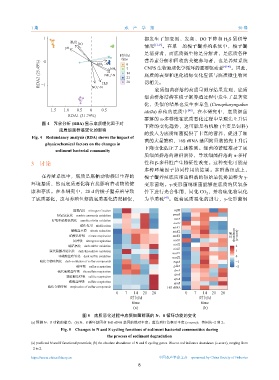
                                    图 5    底质恶化过程中底质细菌群落的          N、S  循环功能的变化
              (a) 预测  N、S  功能的潜力;(b) N、S  循环基因和  16S rRNA  基因的绝对丰度。蓝色到红色表示丰度    (z-score),范围从−2  到  2。
                           Fig. 5 Changes in N and S cycling functions of sediment bacterial communities during
                                               the process of sediment degradation
              (a) predicted N and S functional potentials; (b) the absolute abundance of N and S cycling genes. Blue to red indicates abundance (z-score), ranging from
              −2 to 2.

              https://www.china-fishery.cn                           中国水产学会主办    sponsored by China Society of Fisheries
                                                            8

